
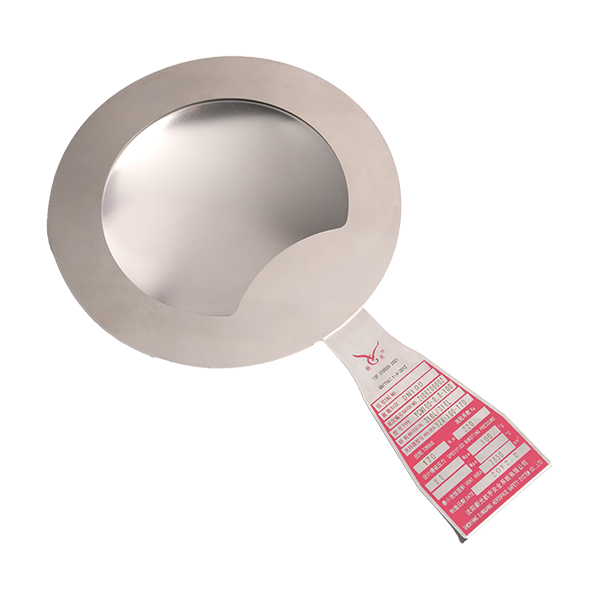
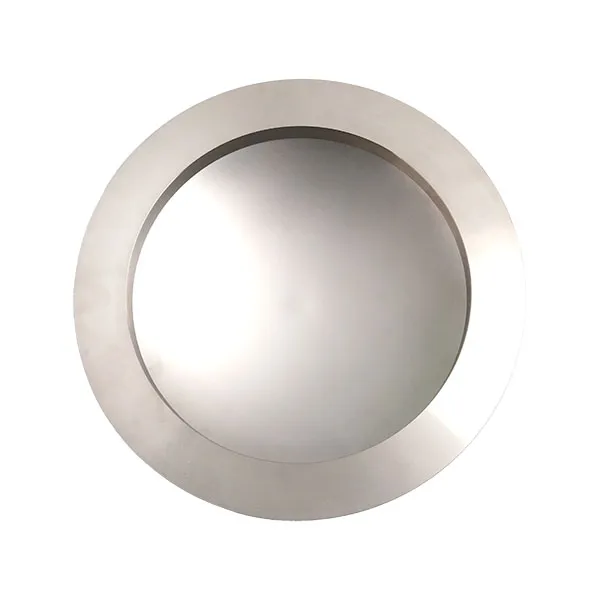
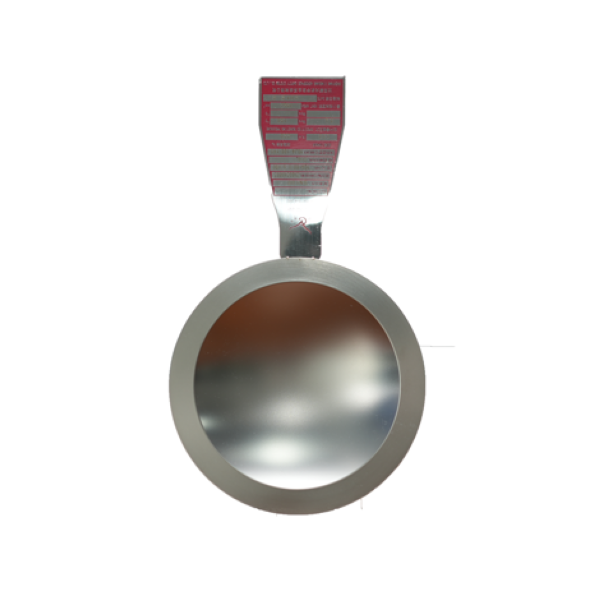
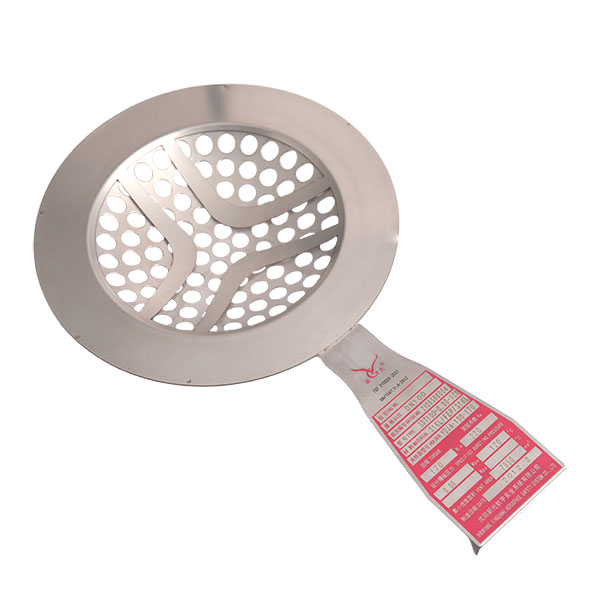
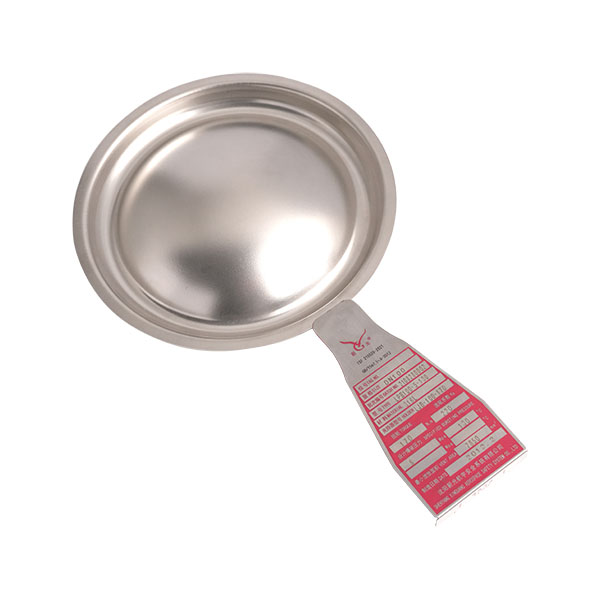
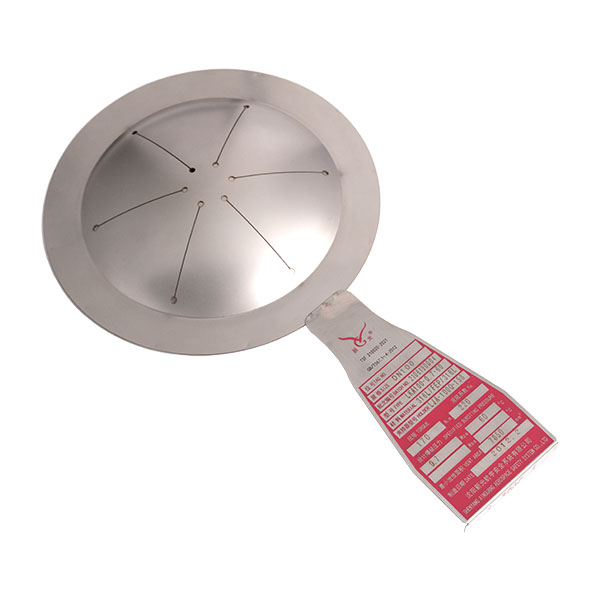
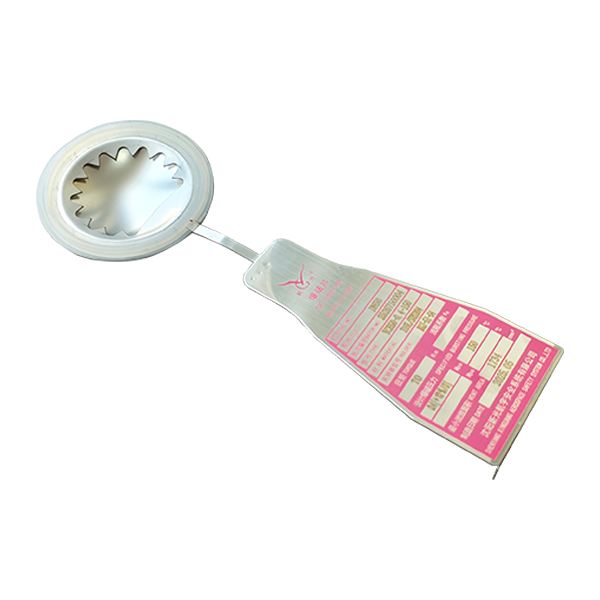
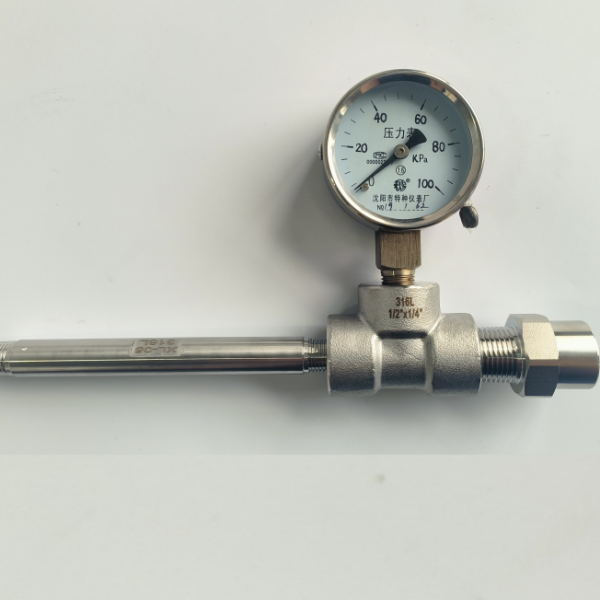
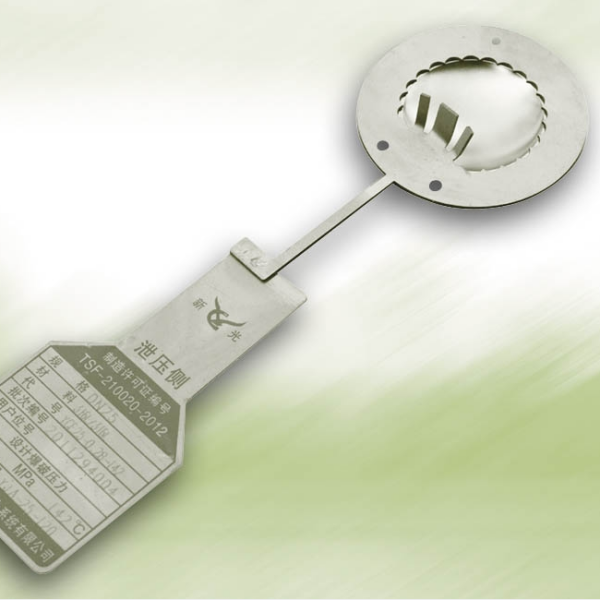
In process safety engineering, a rupture disk is inherently designed to fail. Its very purpose is to break at a predetermined pressure to save the surrounding system. However, when we talk about a rupture disk dddhhhfailuredddhhh in a maintenance context, we are referring to the disk failing to operate as designed.
Broadly speaking, rupture disk failures fall into two distinct categories: Premature Activation (bursting too early) and Non-Activation (failing to burst when needed). One costs your plant money and time; the other can cost lives and level your facility.
In this hardcore engineering analysis, we break down the mechanics behind both failure modes, why they happen, and how process engineers can prevent them.
Mode 1: Premature Activation (The dddhhhFail-Safedddhhh Mode).
Premature activation occurs when a rupture disk bursts at a pressure significantly lower than its specified burst rating. While incredibly frustrating, this is generally considered a dddhhhfail-safedddhhh scenario because the pressure vessel is still protected from overpressure.
However, the economic impact of premature bursting is severe. It results in immediate process shutdown, loss of valuable process media, environmental emissions, and expensive maintenance downtime.
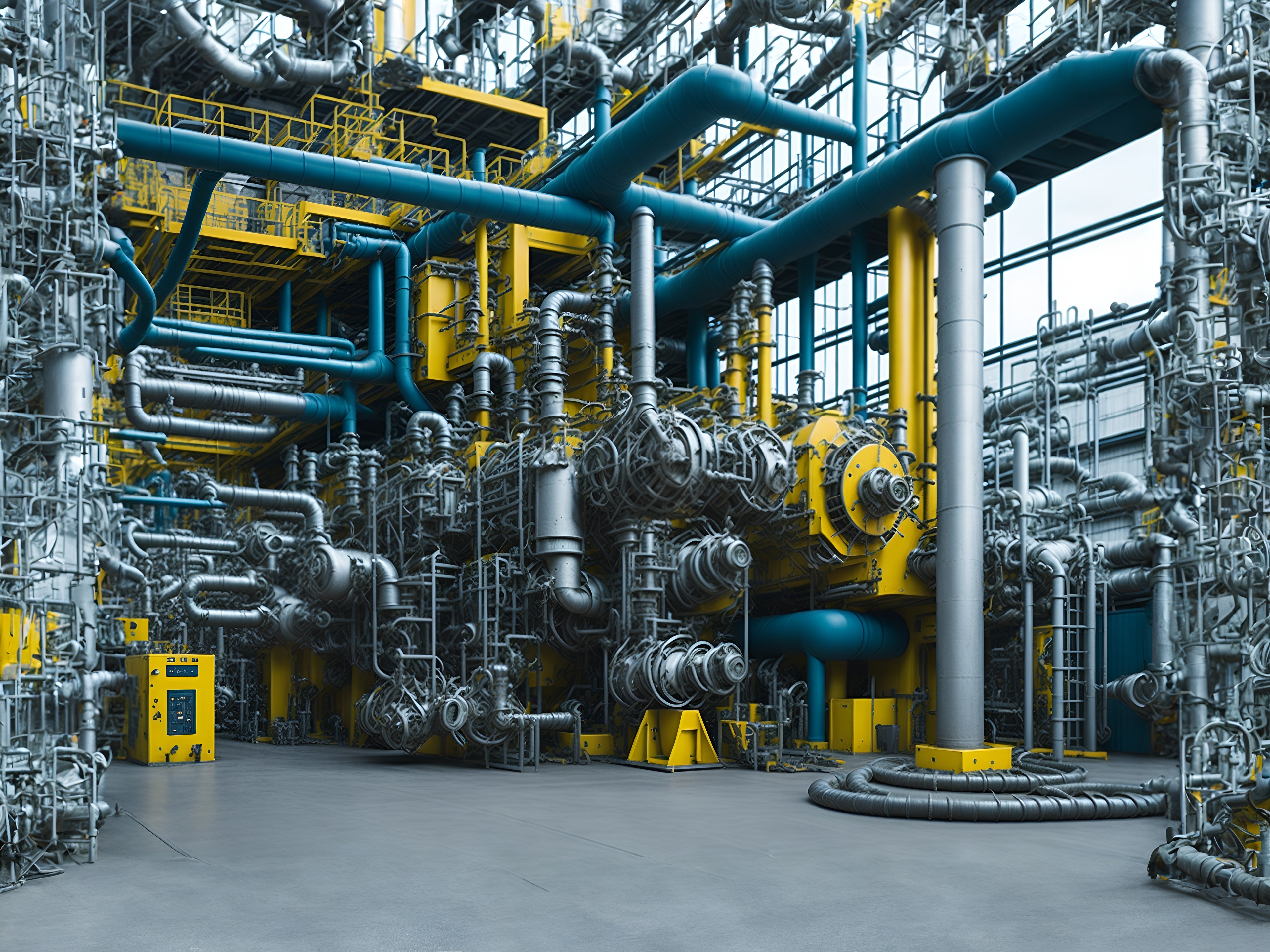
Core Causes of Premature Bursting:
Mechanical Fatigue:
The most common cause. If the system experiences heavy pressure pulsations or cyclic loading, and the disk is operating above its recommended Operating Ratio (e.g., using a forward-acting disk at 90% of its burst pressure), the metal will fatigue and tear prematurely.
Installation Damage:
As discussed in our handling guidelines, even a microscopic dent on the disk dome acts as a severe stress concentrator. Furthermore, incorrect flange torque will distort the seating area, lowering the disk's structural integrity.
Unintended Temperature Spikes:
Rupture disk burst pressures are heavily temperature-dependent. Metal loses tensile strength as it heats up. If a disk is rated to burst at 100 PSI at 150°F, but the process temperature unexpectedly spikes to 300°F, the disk will burst at a much lower pressure.
Mode 2: Non-Activation (The dddhhhFail-Dangerdddhhh Mode).
Non-activation is the ultimate nightmare scenario for a safety engineer. This occurs when the system pressure reaches or exceeds the burst pressure of the disk, but the disk fails to open, remains intact, or only partially opens. This is a dddhhhfail-dangerdddhhh condition that directly leads to vessel rupture, explosions, and catastrophic plant accidents.
Core Causes of Non-Activation:
Polymerization and Plugging:
In the chemical and petrochemical industries, viscous fluids or polymerizing media can coat the underside of the rupture disk. If this media solidifies or forms a thick crust over the disk dome, it acts as an artificial reinforcement. The disk is now effectively dddhhhthicker,dddhhh and the burst pressure is drastically increased.
Severe Corrosion:
If the disk material is incompatible with the process media, corrosion can occur. While uniform corrosion usually weakens a disk (causing premature failure), certain types of localized corrosion or chemical buildup in the score lines can prevent the disk from tearing cleanly, resulting in a restricted flow area.
Improper Installation (Upside Down):
It sounds impossible, but it happens frequently. If a disk is installed upside down (against the intended flow direction), its burst characteristics completely change. A reverse-acting disk installed backwards may require 2 to 3 times its rated pressure to finally tear open.
Excessive Backpressure:
If the relief header (downstream pipe) is pressurized due to another event in the plant, this backpressure pushes against the disk. The disk only dddhhhfeelsdddhhh the differential pressure. If your vessel is at 150 PSI, but there is 50 PSI of backpressure, the disk only experiences 100 PSI and will not burst.
How to Prevent These Failure Modes:
Specify the Right Technology:
Upgrade to Reverse-Acting scored rupture disks. They offer significantly higher resistance to fatigue (preventing premature bursting) and are generally less susceptible to polymer buildup on the convex side.
Verify Material Compatibility:
Always ensure the disk material (e.g., Hastelloy, Monel, or Tantalum) is fully resistant to the process media to prevent both pitting and scale buildup.
Install Burst Indicators:
Utilize automated burst sensors tied to your DCS (Distributed Control System) to immediately alert operators the millisecond a disk functions, minimizing downtime and fluid loss.
Need a system audit? If you are experiencing unpredictable disk behavior, do not leave it to chance. Contact our engineering team today for a thorough review of your process conditions and expert sizing recommendations.
